

How to Choose the Right Cello Strings for Your Instrument
Choosing cello strings is more complicated than simply buying the most expensive set or following a recommendation online. A string combination that transforms one cello
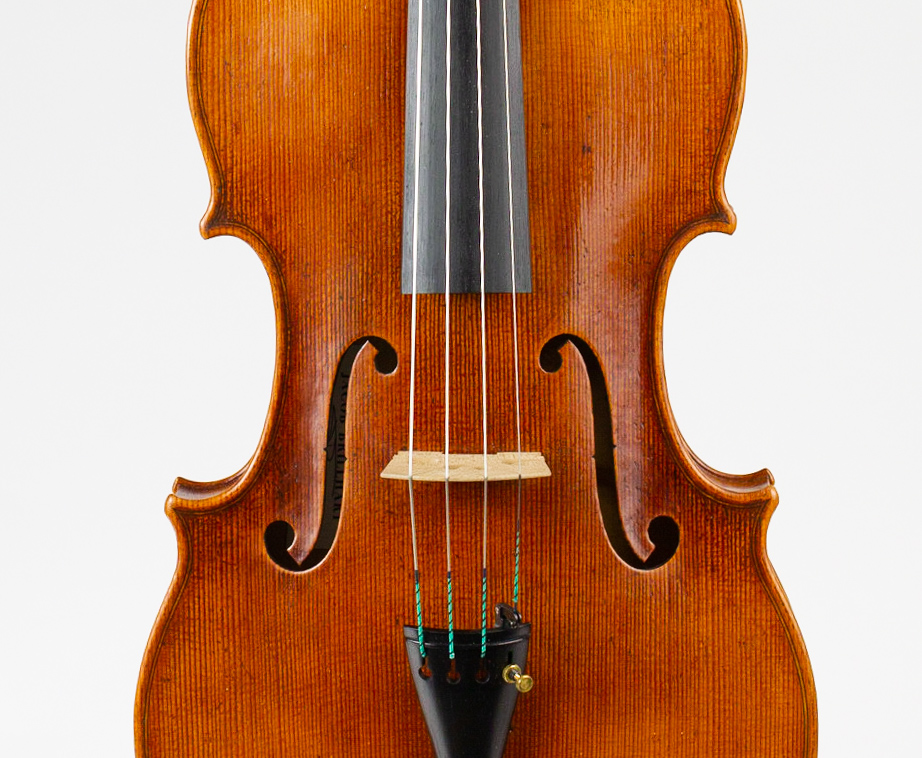
Viola prices typically range from $400 to $1,500 for beginner instruments, $1,500 to $6,000 for intermediate violas, $6,000 to $15,000 for advanced or pre-professional violas, and $15,000 and up for professional instruments. Pricing varies based on materials, workmanship, maker, origin, condition, and setup.
Beginner violas: $400–$1,500
Intermediate violas: $1,500–$6,000
Advanced (Pre-Professional) violas: $6,000–$15,000
Professional violas: $15,000+
If you’re researching viola prices, you may be wondering how much a beginner viola costs, when it’s time to upgrade, why prices vary so significantly, and whether renting or buying makes the most sense.
A Violas cost can range from a few hundred dollars for entry-level instruments to $20,000 or more for individually made professional violas. The difference depends on materials, workmanship, origin, condition, and setup quality.
This guide explains what affects viola prices and what you can expect at each level.
Several factors influence how much a viola costs.
Higher-priced violas typically use:
Properly seasoned spruce for the top
Flamed maple for the back and ribs
Ebony fittings
Oil or spirit varnish applied by hand
Wood selection and aging significantly affect stability and long-term durability.
Violas are either factory-produced, workshop-made, or individually made by a single maker.
Price differences often reflect:
Time invested in construction
Hand graduation and arching
Precision of purfling and edgework
Setup quality (bridge, soundpost, nut, fingerboard preparation)
Professional setup work can substantially affect playability, even at lower price points.
Violas made by contemporary individual makers, established European workshops and historically recognized makers typically command higher prices due to reputation, documentation, and demand.
Older violas may also carry value based on provenance, condition, certificates or appraisals.
Unlike violins, violas vary significantly in size (typically 15″–17″+). Larger violas require more material and labor, though size alone does not determine price.
Below is a general viola price guide to help you understand what to expect.
Designed for new students.
At this level you may see:
Workshop production
Basic tonewoods
Durable varnish
Standard fittings
These instruments prioritize durability and affordability.
For most beginners, renting is often the most cost-effective option. Our rental program allows students to start with a properly set-up instrument while building credit toward purchase.
👉 Learn more about our rental program here:
https://dolceviolins.net/rental/
For advancing students requiring greater responsiveness and refinement.
At this level you may see:
More carefully selected materials
Improved consistency between instruments
Smaller workshop production
Occasionally individually made contemporary violas
These instruments are often appropriate for high school orchestras and serious private study.
👉 Browse intermediate violas:
https://dolceviolins.net/product-category/violas/intermediate-violas/
This category may include:
Individually made contemporary violas
Award-winning modern makers
Historically recognized European instruments
Documented provenance
Pricing varies widely depending on maker, condition, certification, and market demand.
👉 View professional violas:
https://dolceviolins.net/product-category/violas/professional-violas/
Renting is often ideal for:
Younger students
Families unsure about long-term commitment
Players who will need size adjustments
Our rental program offers:
Insurance coverage
Maintenance
Rental credit toward purchase
Purchasing may be appropriate when:
The student is committed long-term
A stable size has been reached
Greater tonal development is required
In addition to our rental credit program, we also offer trade-in that allows 100% of the original purchase price to be applied toward a future upgrade (only applicable to instruments, bows and cases purchased through Dolce Violins).
Signs it may be time to move up in price level:
The instrument feels limiting in dynamic range
Tone does not project in ensemble settings
Teacher recommends increased responsiveness
Student is entering advanced repertoire
Upgrading does not always mean moving to the highest price range. The appropriate instrument depends on the player’s level and goals.
Viola cost reflects materials, workmanship, origin, condition, and setup. While beginner violas are accessible, intermediate and professional instruments reflect increased labor and material selection.
Choosing the right viola depends on:
Experience level
Budget
Long-term goals
If you are unsure where to begin, trying instruments side-by-side is often the most effective way to determine value and suitability.
We hope this article has been helpful. If you have any questions, please send us a message: https://dolceviolins.net/contact-us/
Choosing cello strings is more complicated than simply buying the most expensive set or following a recommendation online. A string combination that transforms one cello
While wooden bows are the standard material for professional violin (as well as viola and cello) bows, carbon fiber bows have a lot to offer
Brazilwood and pernambuco are two of the most common materials used in wooden violin, viola, and cello bows. While they may look similar, they differ
Choosing cello strings is more complicated than simply buying the most expensive set or following a recommendation online. A string combination that transforms one cello
While wooden bows are the standard material for professional violin (as well as viola and cello) bows, carbon fiber bows have a lot to offer
Brazilwood and pernambuco are two of the most common materials used in wooden violin, viola, and cello bows. While they may look similar, they differ